Tick season · Safety Desk
How to remove ticks from dogs safely
Steady hands before shopping lists.
Most owners land here after finding a tick by the collar—not to browse tools. Stay calm, use a simple removal technique your vet approves, note the date and location, and build the after-walk check you will repeat on tired Tuesdays.
Review practical steps Parent hub: Safety Desk—seasonal hazards and official notices live there first.Editorial standards
What this page is, and is not
This page describes a removal technique and an after-walk check. It is not a diagnosis, and it does not cover tick-borne disease treatment. Anything your veterinarian tells you about your region overrides a general checklist.
Last reviewed: 2026-05-21
Quick answer
Start here if you are in a hurry
Use fine-tipped tweezers or a vet-recommended tick remover, grasp the tick close to the skin, and pull upward with steady pressure—no twisting or jerking. Clean the bite area and your hands. Contact your veterinarian if you cannot remove the tick cleanly, mouthparts may remain, or your dog seems unwell afterward.
Practical guidance
Calm steps for this week
Repeatable habits beat one perfect outing—note what you observed for next time.
- Work in good light by the door—before wet paws cross the rug and before panic shopping.
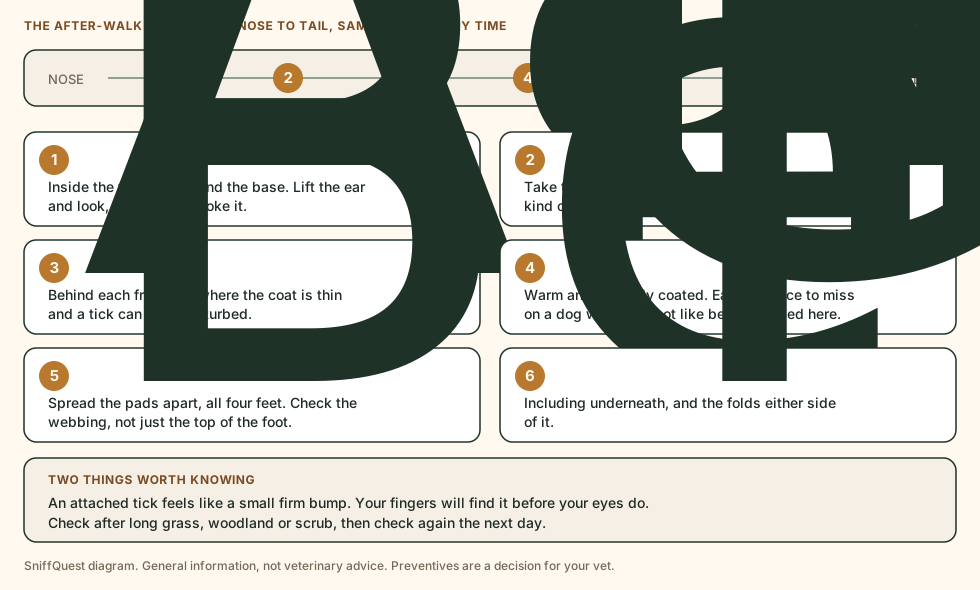
- Part the coat slowly; ticks often hide at ears, armpits, groin, between toes, and under collars.
- Grasp the tick close to the skin with fine-tipped tweezers or a tool your vet recommends.
- Pull upward with steady, even pressure—avoid twisting, squeezing the body, or burning the tick.
- Clean the bite area and your hands with soap and water; note date, location on the dog, and which walk you took.
- Save the tick in a sealed bag only if your vet asks—do not crush it with bare fingers.
When to stop outdoor activity
End the loop early
Shortening the outing is success—not failure—when conditions shift.
- You found multiple ticks on one outing—end the loop, check the full coat at home, and log the route.
- Your dog is scratching one spot aggressively after removal—stop grooming and call your vet if irritation worsens.
- You are unsure whether the object is a tick, skin tag, or scab—get eyes on it in good light before forcing removal.
- Repeated ticks on the same dog despite checks—your vet can help with exposure patterns and prevention options.
When to contact your veterinarian
Escalation—not online guessing
This page is general guidance. Your veterinarian or an emergency clinic handles illness signs and exposure follow-up.
- You cannot remove the tick cleanly or think mouthparts remain in the skin—ask your vet rather than digging.
- Redness, swelling, discharge, or your dog seems painful at the bite site after removal.
- Lethargy, loss of appetite, lameness, fever signs, or other illness after a tick bite—timing varies; contact your vet promptly.
- You need preventives for your region, life stage, or other pets—prescription plans are vet decisions, not label shopping.
- This page is general guidance—not a substitute for your veterinarian's removal or follow-up advice.
Common mix-ups
What owners often get wrong
- Burning, freezing, or drowning ticks on the dog—those methods can injure skin and are not recommended.
- Twisting or jerking the tick, which can leave mouthparts behind.
- Skipping the after-walk check on busy days—the habit matters more than one perfect session.
- Buying prevention products before confirming a vet plan for your dog and area.
- Treating one tick as proof the season failed instead of logging the walk and checking calmly tomorrow.
Field notes
Recent observations
Short practice notes—season, pace, and when to slow down.
- 2026-05-16 · Why damp ground slows a walk
Editorial note: This page carries no retailer links. SniffQuest has not tested any product named here; anything mentioned is described, not recommended.