Tick prevention is mostly timing and repetition: what your vet prescribes or recommends for your area, plus the after-walk check you will actually keep on tired Tuesdays.
We are not your veterinarian. This page orders decisions—vet plan and checks first, product notes lower on the page.
Parasite prevention interest climbs when owners spend more time in grass, brush, and shared trails - timing shifts by region, but spring through fall is the familiar pattern. The spark is usually mundane: a tick after a walk, extra scratching, or a vet reminder that prevention beats tweezers. Queries echo 'flea and tick season' because that is how owners describe the nagging worry in plain language.
Attention goes to removal drama and skips the duller conversation: which preventive suits this dog, in this region, this season. That one belongs to your veterinarian.
Small steps · this week
What to do next
- Talk with your vet about prevention options that fit your region and your dog's health history.
- After hikes or tall grass, run hands over coat and ears; remove ticks promptly with the right technique.
- Treat bedding and yard strategies as part of the whole picture, not just the dog.
A small loop for this week
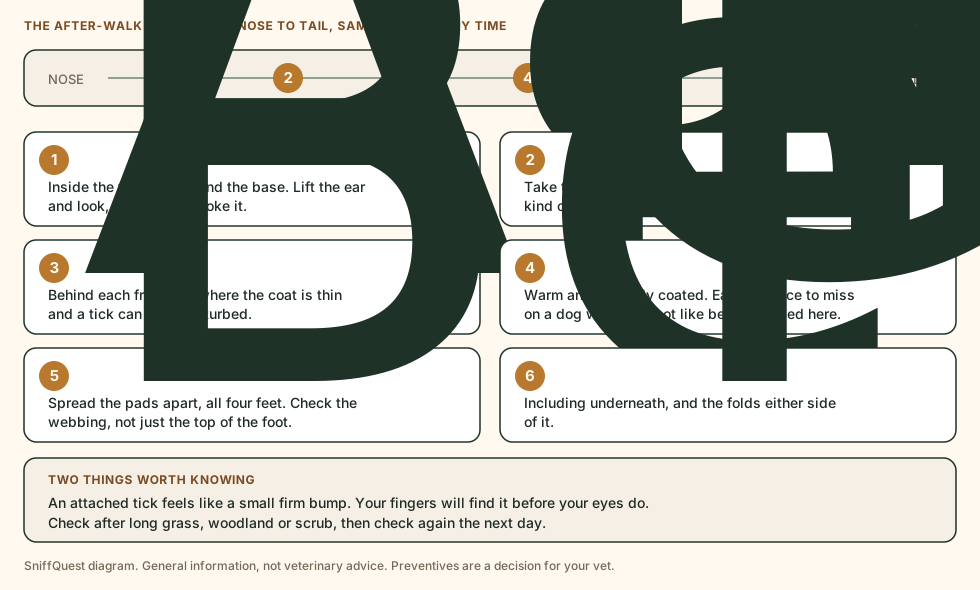
Ask your vet which preventives fit your dog, region, and household. Then commit to the same two-minute door check after brushy walks—ears, armpits, groin, between toes.
Repeatable rhythm
A weekly tick-prevention rhythm
With your vet
Review preventives yearly or when lifestyle changes—new region, more trail time, new housemates.
After outings
By the door, good light, hands through the coat before mud tracks inside.
If you find a tick
Stay calm, remove safely, note date and location—ask your vet when anything is uncertain.
Optional gear notes
Examples to compare
A few retailer listings that match this guide’s topic. Use them when you are ready to shop—not as a scoreboard. Fit, tradeoffs, and watch-outs matter more than brand hype.
tick prevention treatment — Seresto Flea and Tick Collar for Dogs
long-duration collar format many vets discuss for prevention
Retailer link inactive—compare locally when ready.
tick remover tool — Tick Twister Pro
twist-style removal without squeezing the tick
Retailer link inactive—compare locally when ready.
flea comb — Safari Flea Comb for Dogs
fine teeth for detecting fleas and debris close to the skin
Retailer link inactive—compare locally when ready.
Disclaimer: This article is general information for dog owners, not veterinary or legal advice. When official notices, recalls, or health symptoms are involved, confirm details with primary sources and consult your veterinarian.